


The blueprints are in place, and you have decided on countertops and flooring for your new home, but now it’s time to look into the cost of spray foam insulation.
NOTE: This article focuses on the cost of spray foam insulation for new home construction. Check out our other articles if you are looking for the foam insulation cost for existing homes or pole barns.
Your new home needs to be the comfortable and inviting place you always dreamed it would be. The right insulation will leave you and your family warm in the winter and cool in the summer while saving you money on your monthly energy bills.
RetroFoam of Michigan has more than 20 years of experience insulating new build homes across the Lower Peninsula with superior spray foam insulation.
In our continued efforts to educate homeowners, here is how much it would cost to insulate a new-construction home.
Key Points: Spray Foam Insulation Cost for New Construction
• Spray foam insulation is a premium insulation option for new construction homes, offering superior air sealing and long-term energy savings.
• The cost to insulate a new build with spray foam typically ranges from $14,100 to $30,500 for an average 2,000 to 2,500 sq. ft. home.
• Smaller homes around 1,000 sq. ft. can cost $8,100 to $14,300, while large homes up to 6,000 sq. ft. can exceed $68,000.
• Total cost is influenced by square footage, home design complexity, attic configuration, and the type of spray foam used.
• Open cell spray foam is more commonly used in residential new builds due to its affordability, flexibility, and sound-dampening qualities.
• Closed cell spray foam costs more but provides higher R-Values, added moisture resistance, and structural strength for specific applications.
• Spray foam insulation typically takes one to two days to install once construction and inspections are complete.
• While spray foam costs more upfront than fiberglass or cellulose, its durability and energy efficiency can lead to long-term savings and improved comfort.
New Home Insulation Options
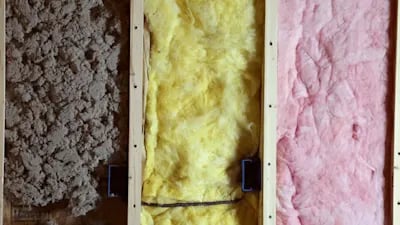
The most commonly used insulation materials for new home construction are spray foam, fiberglass, and cellulose, each offering distinct benefits and cost considerations.
If you're considering spray foam insulation, you've likely already researched its advantages or discussed it with your contractor. Spray foam stands out for its ability to create an airtight seal, reducing air movement in and out of your home. This not only improves energy efficiency but also helps prevent condensation, which can lead to costly moisture problems down the line.
While fiberglass and cellulose are more affordable upfront, they lack the long-term performance of spray foam. Spray foam's superior air-sealing capabilities mean fewer drafts, consistent indoor temperatures, and lower heating and cooling costs year-round. Over time, this can translate into substantial savings on your energy bills.
Spray foam insulation can indeed cost two to three times more than traditional options, but it's an investment that pays for itself over the life of your home. Its durability, energy savings, and ability to minimize future issues, such as mold or moisture-related structural damage, make it a smart choice for homeowners seeking long-term value.
If your priority is to create a comfortable, energy-efficient home for your family while avoiding future headaches, spray foam insulation is the best option for new construction. Its ability to deliver peace of mind and savings for decades makes it a worthwhile investment.
How Much Does it Cost to Insulate a New Build House with Spray Foam Insulation?
New-build homes run the gamut in size.
We’ve insulated new homes from 1,100 to 6,000 square feet. The average home we insulate is usually 2,000 to 2,500 square feet.
The price range to insulate the average-sized new-construction home is between $14,100 and $30,500, from top to bottom.
The price range for a home around 1,000 square feet would be between $8,100 and $14,300, while insulating a new 6,000-square-foot home would be more than $68,000.
What Factors Determine the Total Cost of Spray Foam Insulation When Building a New Home?
The home's square footage is the most significant factor in determining the cost of a spray foam insulation project.
Larger areas require more materials and labor, leading to higher costs. Homes with simple, box-like designs are often easier and less expensive to insulate, as the process is straightforward with fewer complexities. On the other hand, houses with intricate layouts or architectural features increase the square footage and complexity of installation, driving up costs.
Attics also play a significant role in cost determination.
The design of the attic and the specific areas to be insulated -- whether the roof deck or the attic floor -- can significantly impact pricing. For example:
- Roof Deck Insulation: This creates an unvented attic system, ideal for storage for a conditioned living space. However, insulating the roof deck typically requires more material, making it more expensive.
- Attic Floor Insulation: In a traditional vented attic system, only the floor is insulated, which often involves less square footage and is more cost-effective.
Another cost factor is the type of spray foam insulation you choose.
- Open Cell Spray Foam: This option is less expensive and provides excellent air sealing and sound dampening, but it may not be suitable for all applications, especially in areas requiring a high R-Value or added moisture resistance.
- Closed Cell Spray Foam: While more expensive, closed cell spray foam offers higher R-Values, structural reinforcement, and better moisture resistance, making it ideal for certain applications like unvented attics or areas prone to humidity.
When determining the cost of spray foam insulation, consider not just the price per square foot but also how the material and application method align with your home's design and insulation goals. Understanding these variables ensures you get the best value for your investment.
Open Cell vs. Closed Cell Spray Foam When Building a New Home
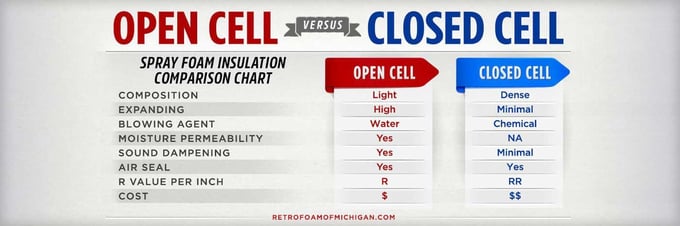
Both open cell and closed cell spray foam insulation create an airtight seal, but they differ in cost, application, and functionality. Let's break down these differences to help you decide which is the best fit for your new home.
Key Differences Between Open Cell and Closed Cell Spray Foam
- Material Properties:
- Open Cell Spray Foam: Lightweight and flexible, this material expands significantly during application, filling the nooks and crannies of your new home. Its pliability makes it ideal for spaces that may shift or settle over time, as it moves with the structure.
- Closed Cell Spray Foam: Dense and rigid, this type of foam offers higher durability and moisture resistance. However, its minimal expansion rate limits its ability to fill tight spaces like open cell spray foam does.
- Sound Dampening:
- Open cell spray foam provides excellent sound-dampening benefits, reducing outdoor noise and keeping your home quieter. This makes it a popular choice for homeowners seeking a peaceful indoor environment.
- Structural Considerations:
- Closed cell spray foam is often praised for adding structural integrity to a building due to its density. While this can be beneficial in certain commercial applications or pole barns, it's less critical for residential homes. As the saying goes, if you're relying on your insulation to hold your home together, you've got bigger issues at hand.
- Best Use Cases:
- Open Cell Spray Foam: Ideal for residential use, particularly in walls, ceilings, and other areas where flexibility and sound dampening are valuable.
- Closed Cell Spray Foam: Suited for commercial settings, pole barns, or areas prone to high moisture levels where additional durability and resistance are needed.
Which is Best for Your New Home?
Both open cell and closed cell spray foam insulation are excellent choices for creating an airtight, energy-efficient home.
Many homeowners opt for open cell spray foam for its affordability, flexibility, and ability to fill irregular spaces, making it a perfect match for new home construction.
On the other hand, closed cell spray foam shines in specialized or high-performance applications, like unvented attics or exterior walls exposed to extreme weather conditions.
Understanding these differences ensures you select the right insulation for your specific needs, helping you achieve long-term comfort, efficiency, and peace of mind.
How Long Does it Take to Install Spray Foam Insulation When Building a New Home?
Installing spray foam insulation in a new home typically happens in the later stages of construction after other key steps have been completed. This process can take days or even weeks to coordinate, depending on the construction schedule and the involvement of other contractors.
Why Does it Take Time?
The timing of insulation installation depends on several factors:
- Coordination with Other Contractors: Insulation is scheduled after tasks like window installation, electrical work, and plumbing are completed to avoid interference.
- Inspections: Building inspections must be conducted and approved before insulation can be installed. This ensures that the framing and other critical components meet code requirements.
What to Expect on Installation Day
Once everything is ready and a date has been finalized to fit within the construction timeline, the insulation process begins.
Here's what typically happens:
- Crew Arrival: Two skilled crews arrive at the construction site to handle the spray foam application.
- Preparation: Crews take care to cover and protect areas like doors, windows, and other fixtures to ensure a clean application.
- Application Process: The crews spray foam into the home's open cavities, ensuring complete coverage. For a standard 2,000- to 2,500-square-foot house, this process usually takes one to two days from start to finish.
- Cleanup: After the insulation is installed, the crews meticulously clean the studs and other surfaces to prepare the space for the next contractor—usually the drywall installer.
By carefully coordinating with the construction timeline and ensuring thorough preparation, spray foam insulation crews deliver a seamless and efficient installation process. The result is a well-insulated, energy-efficient home ready for the next stage of construction.
RELATED: 6 Tips to Get on the Same Page with Your Building Code Inspector During New Home Construction
Best Insulation for New Construction
Spray foam is the best option for new home insulation when looking to create an air seal, ensuring the home will be comfortable and saving you money on monthly energy bills.
To get a rough idea of the cost of spray foam insulation for your new construction home, check out these additional resources.
Related Articles
Is the Up-Front Cost of Spray Foam Insulation Worth it When Building a New Home?
New Home Insulation Problems: 5 Things You Don’t Want to Happen
Spray Foam Insulation for New Build Homes: Answers to Frequently Asked Questions
Ultimate Foam Insulation Buying Guide for New Build Homes

FAQ: Spray Foam Insulation for New Home Construction
Is spray foam insulation worth the cost for a new build?
Yes.
While spray foam insulation has a higher upfront cost, it delivers long-term value through lower energy bills, improved comfort, and reduced risk of moisture-related issues.
Why is spray foam more expensive than fiberglass or cellulose?
Spray foam materials cost more and require specialized equipment and trained installers.
However, unlike traditional insulation, spray foam also air seals your home, which fiberglass and cellulose cannot do on their own.
Do I need spray foam throughout my entire new home?
Not necessarily.
Some homeowners choose spray foam in key areas like walls and attics while using other insulation types elsewhere. Your builder or insulation contractor can help determine the best approach.
Which is better for new construction: open cell or closed cell spray foam?
Open cell spray foam is typically the better choice for most residential new builds due to its cost-effectiveness and ability to fill wall and ceiling cavities.
Closed cell is best reserved for areas needing higher R-Values or moisture resistance.
Can spray foam insulation delay my construction timeline?
Not usually.
Spray foam installation is coordinated after inspections and rough-in work are complete. Once scheduled, the installation itself typically takes just one to two days.
Is spray foam insulation safe for my family?
Yes.
Once properly installed and cured, spray foam insulation is inert and safe for homeowners. Professional installation ensures the material is applied correctly and meets safety standards.