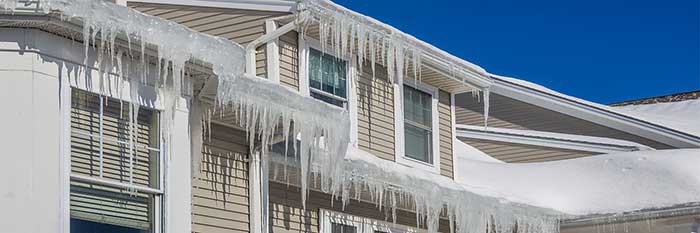


Michigan homeowners know all too well that winter isn't just about snowball fights and hot cocoa -- it's also ice dam season.
If you've ever noticed thick ridges of ice forming along your roofline, you've seen firsthand how damaging these frozen barriers can be. Ice dams can compromise your roof's structure, pull down gutters, and cause leaks that ruin drywall, insulation, and even your paint.
That's why so many homeowners look for real answers about ice dam prevention -- not quick fixes. And spoiler alert: insulation can play a major role in keeping that roofline clear and your home safe.
Key Points:
• Ice dams form when warm air leaks into the attic, heating the roof and melting snow. The meltwater refreezes at the cold roof edge, forming dams.
• Spray foam insulation helps prevent ice dams by creating an air seal that stops warm air from escaping into the attic.
• Proper attic insulation, air sealing, and ventilation work together to regulate roof deck temperature and prevent uneven melting caused air leaks from the attic.
• Michigan's fluctuating winter temperatures can still cause some melting, but blocking air leakage from the home with foam insulation can reduce the risk.
• An experienced spray foam contractor can evaluate your attic or cathedral ceiling to create an insulation plan that can minimize future ice dam issues.
What Causes Ice Dams on Roofs?
Before we dive into how to fix the problem, it helps to understand why ice dams form in the first place.
An ice dam is a thick band of ice that forms along the edge of your roof, usually under a layer of snow and right above your gutters, according to the National Weather Service. The process starts inside your home, not outside.
Here's the science behind ice dams caused by poor insulation and air leaks.
- Warm air from your living space leaks into the attic through gaps around light fixtures, access doors, and poorly insulated areas.
- That heat warms the roof deck from below, even on freezing days.
- Snow on the roof begins to melt, and as the water runs down to the colder roof edge or overhang, it refreezes.
- Over time, this creates a frozen dam that traps more water, which can back up under shingles and leak into the attic.
How to Prevent Ice Dams on Roofs with Insulation
Now that you know what causes ice dams, the next question is how to prevent them, and that starts with insulation and air sealing.
1. Create a Consistent Roof Temperature
When the attic roof deck stays the same temperature as the outside air, snow won't melt unevenly.
The best way to achieve that is by insulating the roof deck instead of the attic floor, creating what's called an unvented attic system. Spray foam insulation shines here because it forms both an air barrier and a thermal barrier, keeping warm air where it belongs -- inside your living space.
2. Seal Air Leaks
Even the best insulation can't perform if air is leaking around recessed lights, attic hatches, or ductwork.
Spray foam naturally air seals while insulating, stopping warm, moist air from sneaking into the attic. This reduces condensation and ice dam formation at the same time.
3. Address Ventilation When Needed
In traditional vented attics, proper airflow is critical.
Intake vents at the ridge help cold outdoor air circulate, keeping the attic temperature stable.
In an unvented attic with spray foam, however, you're controlling the environment directly, so ventilation isn't needed in the same way. The key is maintaining the thermal boundary on the roof deck.
Common Misconceptions About Ice Dam Prevention
Let's clear up a few myths that come up often in Michigan homes:
- "Do gutter guards prevent ice dams?"
Not really. Gutter guards can keep debris out, but they don't fix the cause of ice dams, which is heat loss through the roof. In fact, ice can still build up on top of or behind them. - "If I have new shingles, I won't get ice dams."
Shingles alone don't stop heat transfer. Without proper insulation and air sealing, the warm air escaping from your attic will still melt snow and cause dams. - "Ice melt cables solve the problem."
They can help in a pinch, but they're more of a band-aid than a cure. The long-term solution is to fix the source of the heat loss, not just manage the symptoms.
Can Spray Foam Insulation in the Attic Prevent Ice Dams?
In most cases, yes, spray foam insulation can significantly reduce or even eliminate ice dams.
By applying foam directly to the roof deck, you're bringing the attic inside the home's thermal envelope. That stops heat loss through the roof, keeping snow from melting unevenly.
However, there are still a few factors that can influence results:
- Radiant heat from the sun: Even a perfectly insulated roof can see some melting on sunny days.
- Temperature swings: Sudden warm-ups can cause melting regardless of insulation.
- Thermal bridging: In cathedral ceilings, heat can still transfer through wood framing, which might cause small areas of melting.
So, while spray foam insulation is one of the best ways to prevent ice dams, it's important to set realistic expectations and have a qualified contractor assess your specific roof design.
Avoiding Ice Dams on Roofs in Michigan: What Homeowners Should Know
Michigan's winters can swing from lake-effect blizzards to midwinter thaws in a matter of days.
That's why ice dam prevention isn't about a single product; it's about a system.
Your best bet?
- Ensure your attic or cathedral ceiling is properly air sealed and insulated with spray foam.
- Check that roof penetrations and can lights are sealed.
- Have your attic evaluated by a professional who understands local building science and Michigan's unique freeze-thaw cycles.
At RetroFoam of Michigan, we've helped thousands of homeowners find the right insulation strategy for their roof and attic to keep ice dams from forming, or at least from becoming a yearly headache.
Final Thoughts on How to Prevent Ice Dams
Mother Nature will always do her thing, but with the right insulation strategy, you can make your home far less vulnerable.
Spray foam insulation creates a consistent roof temperature, seals air leaks, and dramatically cuts down on the conditions that lead to ice dams. It's the difference between battling icicles every winter and enjoying a warm, worry-free home.
If you're tired of dealing with ice dams or wondering how to prevent ice dams on your roof, contact RetroFoam of Michigan. Our team can evaluate your home and recommend the best insulation plan to help you stay cozy, efficient, and ice-free all winter long.
If you want to learn more about how foam insulation works to air seal your building envelope to avoid some other seasonal headaches, check out our Learning Center.
Related Articles
Cathedral Ceiling Insulation Problems
What is the Best Attic Insulation