

You know your home needs insulation, but are you prepared for the problems that could arise if you decide to go DIY?
The struggle is real – do you hire a contractor or do you watch YouTube tutorials and insulate your attic, crawl space, or rim joist by yourself?
When considering the DIY route, there are several factors to keep in mind, and you should have a backup plan in case things go wrong. You also need to consider how long it will take to get the job done versus hiring a contractor who can finish the project in a fraction of that time.
RetroFoam of Michigan has more than 20 years of experience insulating homes across the Lower Peninsula and greater Toledo area, so we have seen and fixed what happens when a DIY project turns ugly.
In our efforts to continue to inform our customers, we have compiled a list of the top six things that could lead to a DIY nightmare.
Key Points: DIY Insulation vs Hiring a Contractor
• DIY insulation can save money upfront, but mistakes often lead to costly fixes later.
• There is no warranty when you install insulation yourself.
• Learning proper installation takes time and requires vetting conflicting information.
• Choosing the wrong insulation material for the wrong area can cause performance issues.
• DIY projects require more than just insulation -- tools, safety gear, and supplies add up.
• Creating a proper air seal is critical but difficult to achieve without experience.
• Inspecting your own work can be challenging if you don't know what to look for.
• Hiring a professional ensures proper installation, efficiency, and long-term performance.
DIY Insulation Problems
From choosing the wrong material for your insulation project to how long it will take to install the insulation yourself, a lot can go wrong.
Here are the top do-it-yourself problems that could pop up when you install your own insulation.
You Can't Warranty Your Own Work
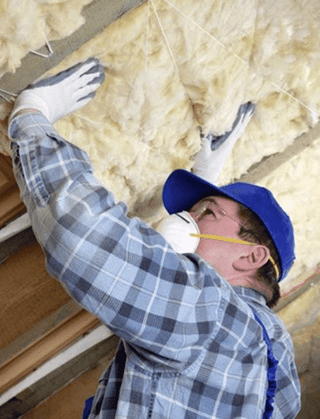
A warranty on the work you have done on your home can come back to save you if a problem arises in the future.
When you do the work yourself, there is no warranty, and if there is a problem, it will cost you extra money to fix.
You Have to Take the Time to Teach Yourself How to Do the Work
Not only will you need to teach yourself how to do the job, but you will also need to vet the information you are getting.
When looking up how to install insulation, you will find dozens of articles and videos, most of which describe different techniques.
You will need to find a trusted source and decide if you have the skill set to get the job done. If you are going to take the DIY route, Bob Vila, the DIY Network, and HGTV are great places to start.
Selecting the Correct Materials for the Project
It’s important that you use the right kind of insulation material in the right areas of your home.
For example, you wouldn’t use cellulose in your crawl space or rim joist.
Learning what insulation materials work best for the project you plan to tackle is just another part of your journey to DIY insulation installation.
Materials Won't Be the Only Thing You're Buying
After you head to your local hardware store to get your fiberglass or cellulose insulation, you may think you have what you need, but you’d be wrong.
There are special tools needed to install the insulation, as well as supplies like face masks, fasteners, gloves, goggles, and caulk or can foam, which you will still need to buy.
You Have to Make Sure You Create an Air Seal
Sealing and insulating your home is one of the most cost-effective ways to make your home more energy-efficient and comfortable, according to Energy Star.
Creating an air seal can be complicated.
For example, when installing fiberglass insulation, you need to make sure it fits the cavity perfectly, with no gaps. To do this, you will need to use caulk or can foam. It is a process that will take several hours and something you may not be familiar with.
If you aren’t familiar with the rate at which the can foams, you are going to waste a large amount of product.
You Have to Inspect Your Own Work, and it Could Still Be Wrong
Once the project is complete in your eyes, you will need to inspect it not only visually but also by hand to ensure the work was done correctly.
If you’ve never seen what it should look like in person, then you are solely basing what you think on what you saw on the Internet.
It’s extremely difficult to inspect your own work when it’s the first time you’ve done it. If there are gaps or areas missed, you will have to rip out the insulation and start all over again.
Hiring a Contractor May Be Best
RetroFoam of Michigan has the experience and knowledge to make your home a more comfortable space by creating an air seal using spray and injection foam insulation.
If you have decided that the benefits of hiring a licensed contractor better fit your home insulation needs and live in Michigan’s Lower Peninsula, give us a call to schedule a free estimate at 866-900-3626 or fill out a free estimate form on our website.
If you'd like to learn more about the benefits of foam insulation, check out the Learning Center on our website.
Related Articles
DIY Spray Foam vs. Hiring a Contractor: Which is Best?
How to Find and Hire the Best Residential Insulation Contractor for Your Project
Insulation Contractor Vetting Checklist: What You Need to Look For Before Signing the Contract

Frequently Asked Questions About DIY Insulation
Is DIY insulation a good idea?
DIY insulation can work for small, simple projects, but it becomes risky in areas like attics, crawl spaces, and rim joists where air sealing and material selection are critical.
What is the biggest mistake homeowners make with DIY insulation?
The most common issue is focusing only on R-Value while ignoring air sealing.
Even well-installed insulation won't perform properly if air is still moving through gaps and cracks.
Can I install insulation without professional tools?
Technically, yes, but it's not recommended.
Proper installation often requires specialized tools, safety equipment, and materials like caulk or spray foam to create an effective air seal.
How do I know if I chose the right insulation material?
Each area of your home requires different materials.
For example, what works in an attic may not be suitable for a crawl space or rim joist. Choosing the wrong material can lead to moisture issues and poor performance.
Will DIY insulation actually save me money?
It can upfront, but if mistakes are made, you may end up paying more to fix issues or redo the work.
Improper installation can also lead to higher energy bills over time.
How hard is it to properly air seal a home?
Air sealing is one of the most important -- and most difficult -- parts of insulation.
It requires attention to detail and experience to ensure there are no gaps, which is something many DIYers underestimate.
What happens if I install insulation incorrectly?
Poor installation can lead to drafts, uneven temperatures, moisture problems, and reduce energy efficiency.
In some cases, insulation may need to be removed and replaced entirely.
When should I hire a professional insulation contractor?
If the project involves your attic, crawl space, exterior walls, or if you're unsure about materials or air sealing, hiring a professional is usually the best option to ensure long-term results.