Blown-In Attic Insulation for Michigan Homes

Improve comfort and energy efficiency with blown-in cellulose or fiberglass attic insulation.

Get Started with a Free Consultation

BlownIn_Cellulose


Affordable Attic Insulation That Makes a Difference

If your upstairs feels too hot in the summer, your heating bills seem higher every winter, or your home never feels quite comfortable, your attic insulation may be to blame.

Many Michigan homes simply don’t have enough insulation in the attic. Over time, insulation can settle, become compressed, or fail to meet today’s recommended insulation levels.

Adding blown-in attic insulation is one of the most cost-effective ways to improve your home’s energy efficiency and comfort without the larger investment of spray foam insulation.

At RetroFoam of Michigan, we install both blown-in cellulose attic insulation and fiberglass blown-in attic insulation, helping homeowners choose the right solution for their home, goals, and budget.

BlownIn_Cellulose


Benefits of Blown-In Attic Insulation

While blown-in insulation is not designed to create an air seal like spray foam, it can significantly improve your home’s thermal performance when installed at the proper depth.

Adding insulation to your attic can help:
BlownIn_Header

What is Blown-In Attic Insulation?

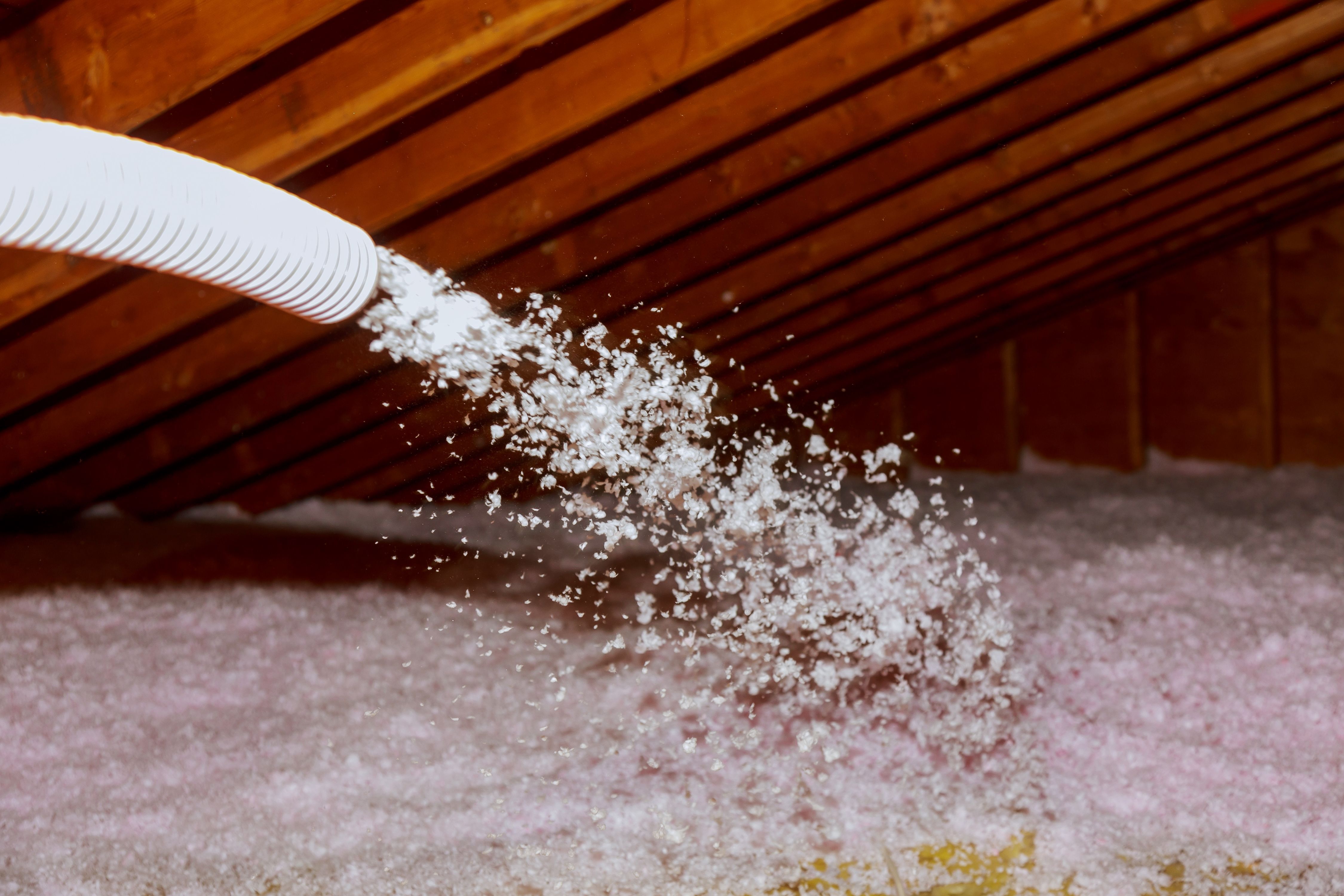
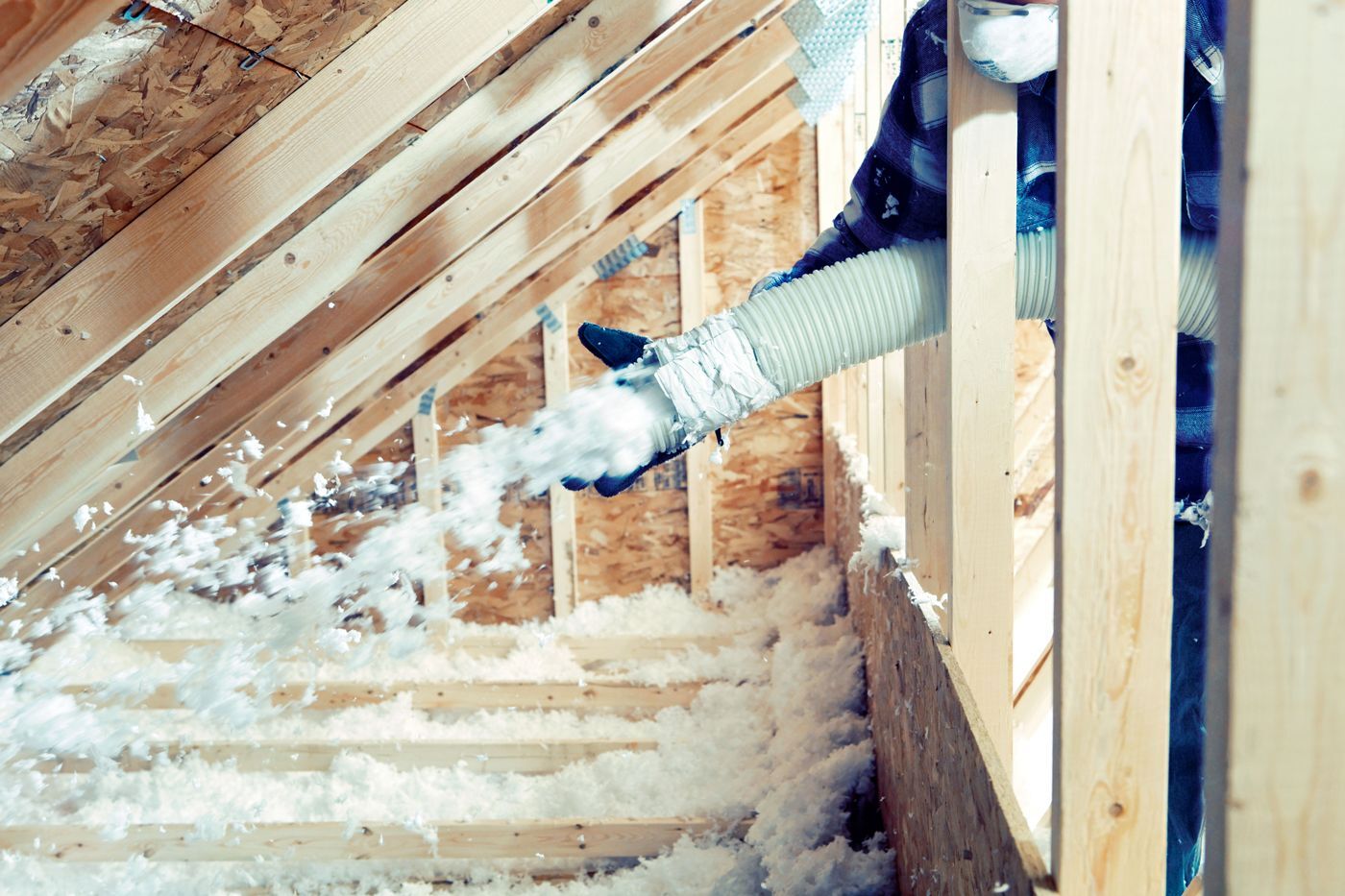
Blown-in attic insulation, also called loose-fill insulation, is installed using specialized equipment that evenly distributes insulation across the attic floor.

Unlike batt insulation, blown-in insulation can be installed around wiring, plumbing, framing members, and other obstacles commonly found in attics.

This allows for more complete coverage and helps reduce gaps that can occur with traditional insulation materials.

RetroFoam of Michigan offers two types of blown-in insulation for attics:

  • Blown-in cellulose attic insulation
  • Blown-in fiberglass attic insulation

Both can be excellent choices when installed to the appropriate depth and R-Value.

BlownIn_Header

Fiberglass Blown-In Attic Insulation

Fiberglass blown-in attic insulation consists of loose fiberglass fibers designed specifically for attic applications.

Homeowners often choose fiberglass blown-in attic insulation because it:

  • Is lightweight
  • Maintains its loft over time
  • Does not absorb water
  • Provides reliable thermal resistance
  • Offers an economical way to increase attic insulation levels

Fiberglass can be an excellent option for homeowners looking to improve attic performance while staying within a specific budget.

What is Cellulose Attic Insulation?

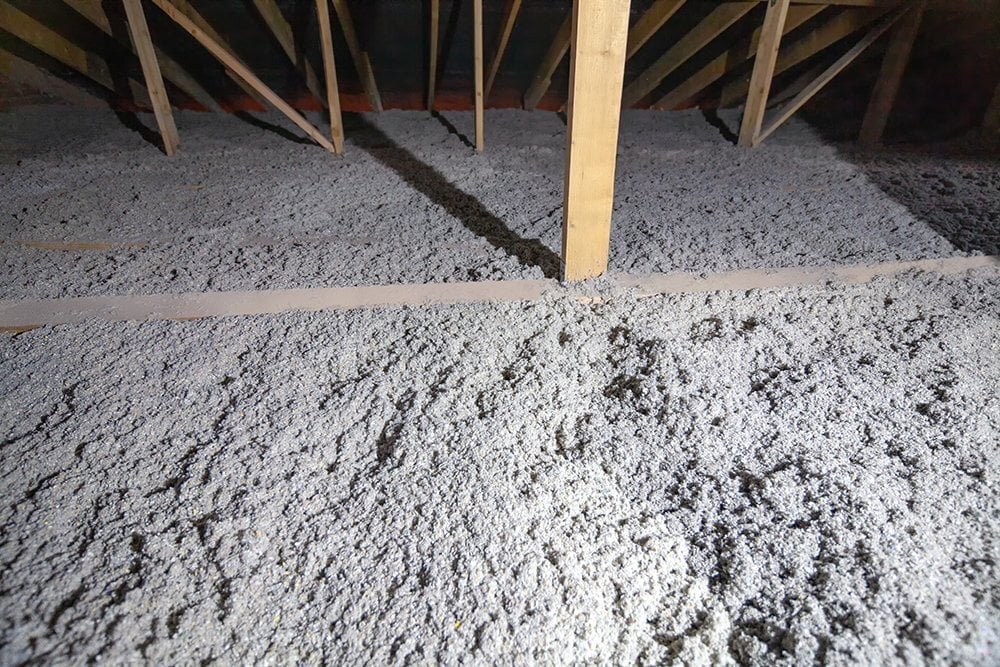
Cellulose blown-in attic insulation is made primarily from recycled paper products treated for fire resistance.

Many homeowners choose blown-in cellulose attic insulation because it:

  • Provides dense, consistent coverage
  • Helps reduce heat transfer
  • Settles into hard-to-reach areas
  • Is made from recycled materials
  • Performs well in Michigan’s climate

Cellulose is often chosen by homeowners looking for a high-performing attic insulation upgrade that balances performance and affordability.

Fiberglass Blown-In Attic Insulation

Fiberglass blown-in attic insulation consists of loose fiberglass fibers designed specifically for attic applications.

Homeowners often choose fiberglass blown-in attic insulation because it:

  • Is lightweight
  • Maintains its loft over time
  • Does not absorb water
  • Provides reliable thermal resistance
  • Offers an economical way to increase attic insulation levels

Fiberglass can be an excellent option for homeowners looking to improve attic performance while staying within a specific budget.

Blown-In Cellulose vs. Blown-In Fiberglass: Which Is Best for Your Attic?

One of the most common questions we hear is, “What is the best blown-in insulation for an attic?”

The answer depends on your home’s needs and your goals.

Feature

Cellulose

Fiberglass

Made From

Recycled paper fibers

Glass fibers

Coverage

Dense coverage

Lightweight coverage

Thermal Performance

Excellent

Excellent

Moisture Resistance

Can absorb moisture

Does not absorb moisture

Cost

Competitive

Competitive

Best For

Maximum coverage and performance

Budget-conscious attic upgrades


The best blown-in insulation for your attic depends on factors like your current insulation levels, budget, and long-term goals.

If you're still exploring your options, learn more about the benefits of insulating your attic with spray foam.

Our team can help you determine which option makes the most sense for your home.

Cellulose_LooseFill

How Much Attic Insulation Does Your Home Need?

Many older Michigan homes have insulation levels far below today’s recommendations.

Current recommendations often call for attic insulation levels equivalent to:

  • R-49 insulation in most Michigan attics
  • R-60 insulation in some situations
  • Additional insulation depending on the home’s design and existing insulation levels

During your consultation, we’ll measure your current insulation depth and determine whether adding blown-in insulation can help improve your home’s performance.

Cellulose_LooseFill

Can Blown-In Insulation Be Added Over Existing Insulation?

In many cases, yes.

If your existing insulation is dry, free from contamination, and in reasonable condition, additional blown-in cellulose or fiberglass insulation can often be added on top.

This allows homeowners to improve attic insulation levels without removing all existing materials.

Our team will inspect your attic and make recommendations based on its current condition.

Rebates and Energy Savings

Many homeowners are surprised to learn that attic insulation upgrades may qualify for energy-efficiency incentives.

Depending on available programs, homeowners may be eligible for:

  • Utility company rebates
  • Energy-efficiency incentives

Our team can help identify programs that may be available when you schedule your consultation.

Customer_JimKusmierz

Why Homeowners Choose RetroFoam of Michigan

For more than 20 years, RetroFoam of Michigan has helped homeowners improve comfort, reduce energy waste, and create more energy-efficient homes.

Unlike companies that only offer one insulation product, we believe the right solution depends on your home’s needs.

Sometimes that solution is spray foam.
Sometimes it’s blown-in cellulose.
Sometimes it’s blown-in fiberglass.

Our goal is to help you make the best decision for your home and your budget.
Customer_JimKusmierz

Frequently Asked Questions

What is the best blown-in insulation for attic space?

How much does blown-in attic insulation cost?

Can blown-in insulation lower my energy bills?

How long does attic insulation installation take?

Can I add blown-in insulation over existing insulation?

Ready to Upgrade Your Attic?

Whether you’re interested in blown-in cellulose attic insulation or fiberglass blown-in attic insulation, RetroFoam of Michigan can help you find the right solution for your home.

Request Consultation